Your website is more than just an online presence—it’s your most valuable marketing asset. Whether you’re running an e-commerce store, a service-based business, or a corporate website, a slow, outdated, or poorly optimized site can cost you visitors, leads, and revenue.
In 2026, search engines and AI-powered search platforms reward websites that deliver fast performance, excellent user experience, and valuable content. Website optimization is no longer optional; it’s essential for businesses that want to improve rankings, attract more visitors, and convert them into customers.
This guide explains everything you need to know about website optimization and how it can help your business grow.
What Is Website Optimization?
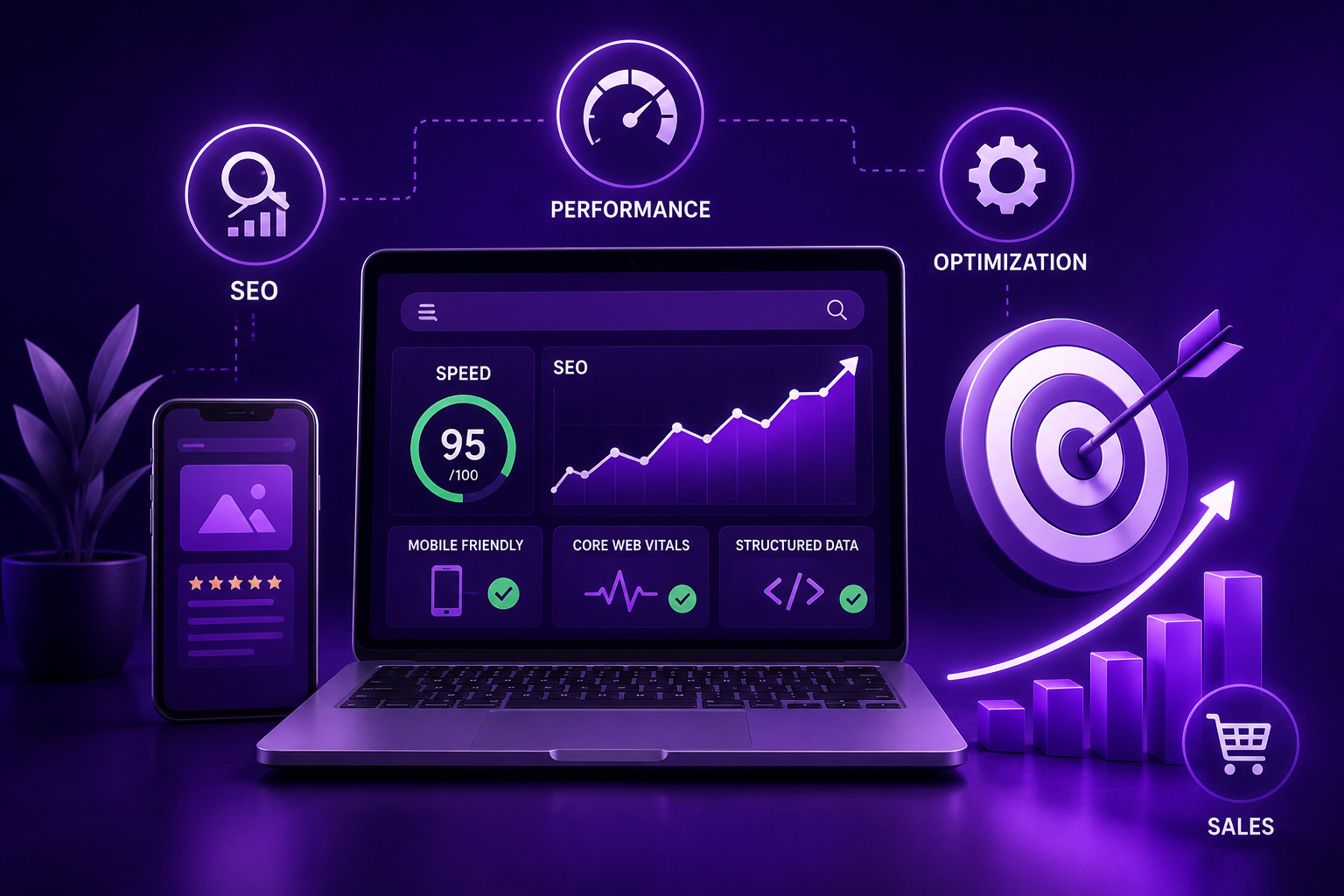
Website optimization is the process of improving your website’s performance, usability, speed, search engine visibility, and conversion rate. The goal is to create a website that loads quickly, is easy to navigate, provides valuable information, and encourages visitors to take action.
Website optimization includes:
- SEO optimization
- Website speed improvements
- Mobile responsiveness
- Better user experience (UX)
- Technical performance
- Content optimization
- Conversion rate optimization (CRO)
A well-optimized website doesn’t just rank higher—it also builds trust and increases sales.
Why Website Optimization Matters
A poorly optimized website can lead to:
- Slow loading times
- High bounce rates
- Lower Google rankings
- Poor user experience
- Fewer leads and conversions
On the other hand, an optimized website offers several benefits:
- Higher search engine rankings
- Faster page loading
- Improved user engagement
- Increased organic traffic
- Better conversion rates
- Higher customer satisfaction
- Stronger brand credibility
Key Elements of Website Optimization
A poorly optimized website can lead to:
- Slow loading times
- High bounce rates
- Lower Google rankings
- Poor user experience
- Fewer leads and conversions
On the other hand, an optimized website offers several benefits:
- Higher search engine rankings
- Faster page loading
- Improved user engagement
- Increased organic traffic
- Better conversion rates
- Higher customer satisfaction
- Stronger brand credibility
Common Website Optimization Mistakes
Avoid these issues that can hurt your website’s performance:
- Slow page loading
- Broken links
- Poor mobile experience
- Keyword stuffing
- Thin or duplicate content
- Missing meta tags
- Unoptimized images
- Complicated navigation
- Weak internal linking
Regular website audits help identify and fix these problems.
Essential Tools for Website Optimization
Use these tools to monitor and improve your website:
- Google Search Console
- Google Analytics 4 (GA4)
- Google PageSpeed Insights
- GTmetrix
- Lighthouse
- Screaming Frog SEO Spider
- Ahrefs or SEMrush
These tools provide valuable insights into performance, SEO, and user behavior.
Website Optimization Checklist
Use this checklist to keep your website in top shape:
✔ Improve page speed
✔ Ensure mobile responsiveness
✔ Optimize title tags and meta descriptions
✔ Compress and optimize images
✔ Add internal links
✔ Fix broken links
✔ Improve Core Web Vitals
✔ Publish high-quality content
✔ Use HTTPS
✔ Implement Schema Markup
✔ Monitor website analytics
✔ Regularly update plugins and software
The Future of Website Optimization
Website optimization is evolving beyond traditional SEO. Businesses must now optimize for AI-powered search engines, voice search, and user intent.
Emerging trends include:
- AI-generated search results
- Answer Engine Optimization (AEO)
- Generative Engine Optimization (GEO)
- Personalized user experiences
- Voice search optimization
- Interactive and multimedia content
Websites that adapt to these trends will remain competitive and continue attracting high-quality traffic.
Frequently Asked Questions (FAQs)
What is website optimization?
Website optimization is the process of improving your website’s speed, usability, SEO, and conversion rate to enhance user experience and achieve better business results.
Does website optimization improve SEO?
Yes. Optimizing your website improves page speed, mobile usability, technical SEO, and content quality, all of which contribute to better search engine rankings.
How often should I optimize my website?
Website optimization should be an ongoing process. Regular audits, performance monitoring, and content updates help maintain strong rankings and user satisfaction.
What is the difference between SEO and website optimization?
SEO focuses on improving visibility in search engines, while website optimization includes SEO along with speed, user experience, technical performance, and conversion improvements.
Why is mobile optimization important?
A mobile-friendly website provides a better experience for users on smartphones and tablets, improves search rankings, and increases the likelihood of conversions.
Conclusion
Website optimization is one of the most effective investments a business can make in 2026. A fast, secure, mobile-friendly, and user-focused website not only improves search engine rankings but also builds trust, enhances customer experience, and drives more sales.
By continuously optimizing your website’s performance, content, SEO, and user experience, you create a strong foundation for long-term online success. Whether your goal is to generate more leads, increase e-commerce sales, or strengthen your brand presence, website optimization is the key to sustainable digital growth.